

Integrating solar into India's grid: challenges and opportunities
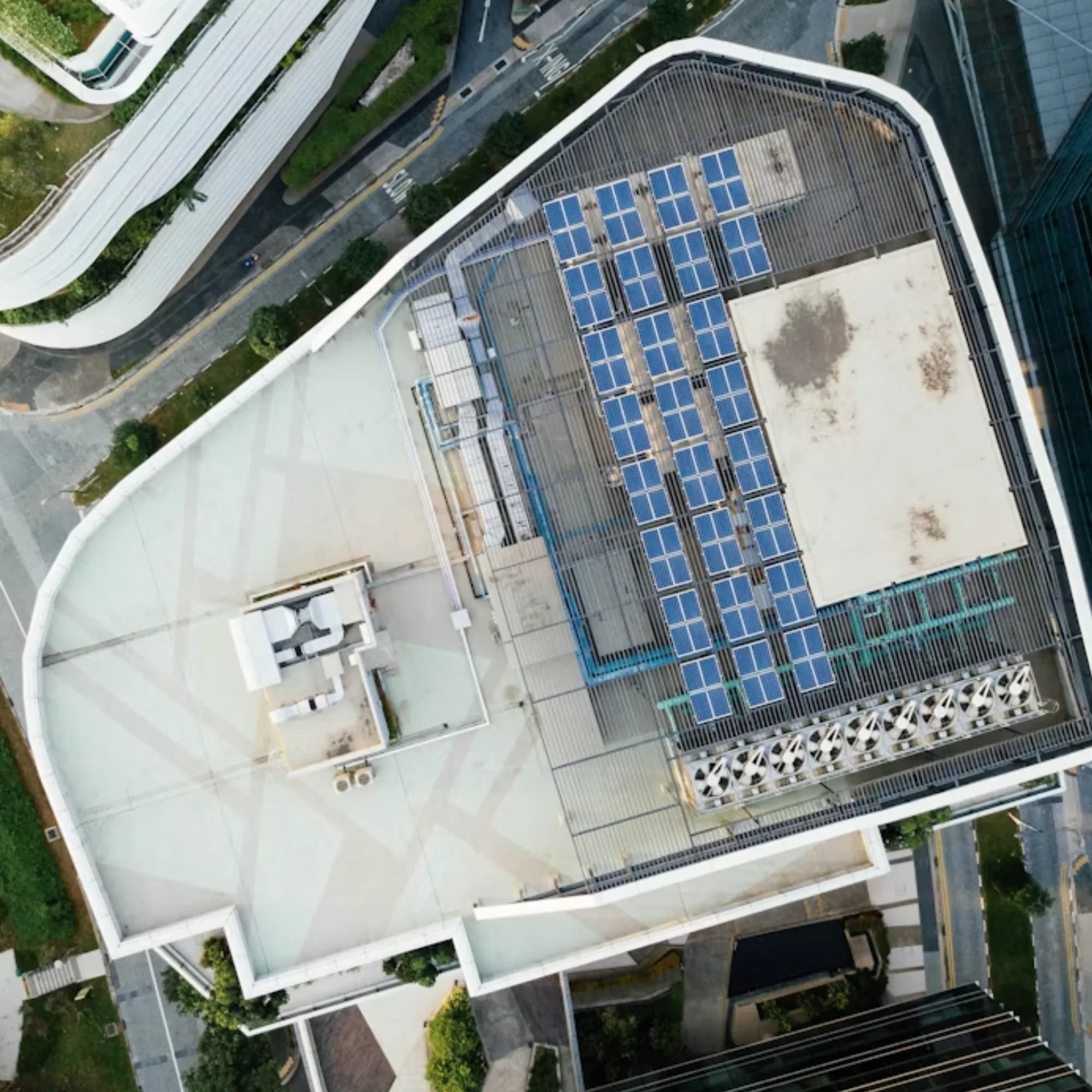
Every rooftop system that exports to the grid is a small, independent generator the grid operator has to account for — at national scale, millions of them add up to a real engineering problem.
The duck curve, at rooftop scale
Midday solar generation across a dense urban feeder can exceed local demand, creating the same “duck curve” utility-scale grids see — a steep drop in net demand around noon, followed by a steep evening ramp as the sun sets.
Why storage is the missing piece
Battery storage — at the home level or the grid level — is what lets that midday surplus get used in the evening instead of being curtailed, which is why hybrid adoption is being watched closely as rooftop solar scales.
What this means for new installs today
None of this changes the economics of an individual rooftop system today, but it's part of why DISCOMs are gradually tightening export rules — a trend worth knowing about, not worrying about.
Keep Reading
Related articles.
 Industry
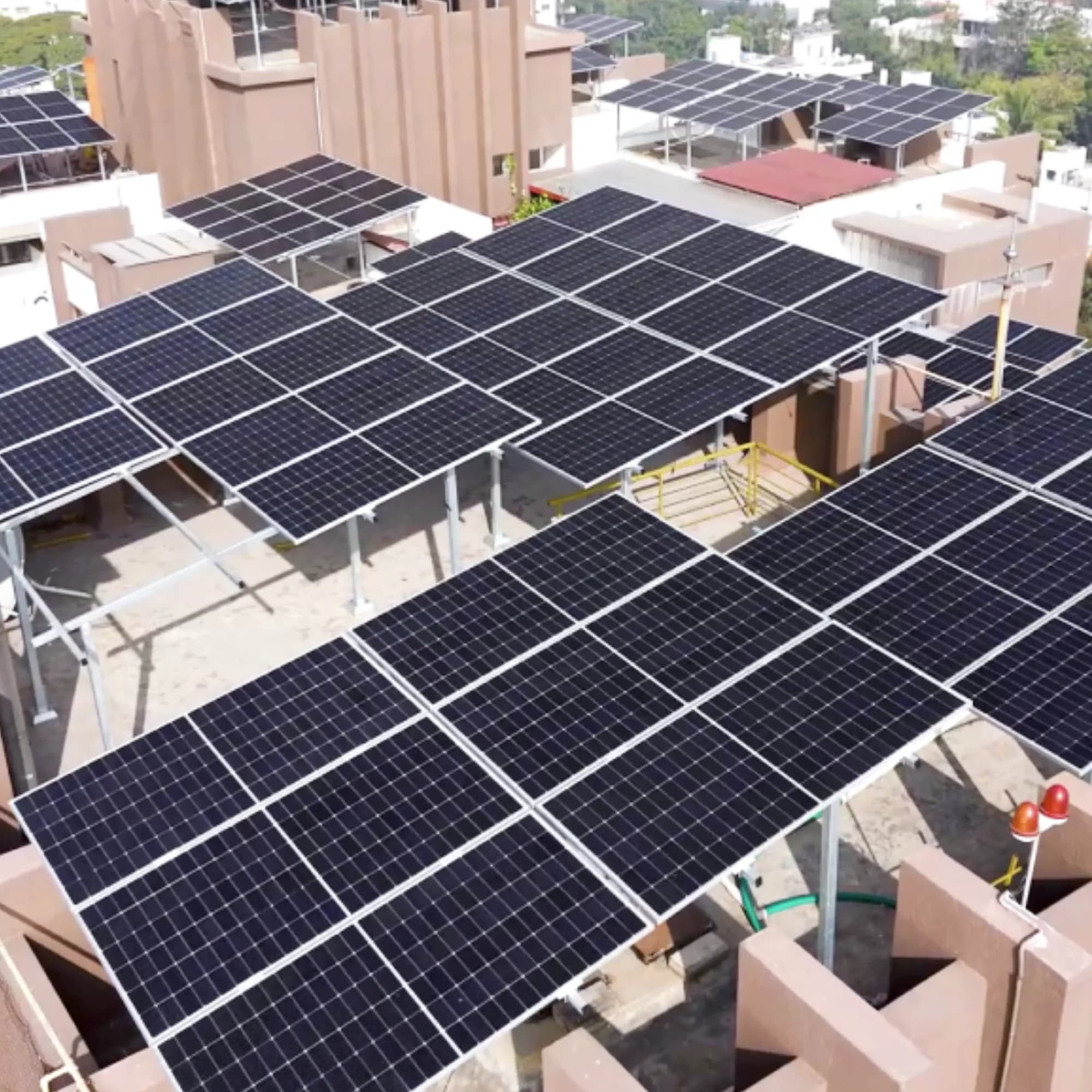
The role of public-private partnerships in solar
How PPP models moved Karnataka's biggest renewable projects from proposal to power.
 Myths
7 solar myths Indian homeowners still believe — and why they're wrong
Panels don't work in monsoon? Solar needs constant cleaning? We take the seven most common objections apart, one by one.
 Sizing
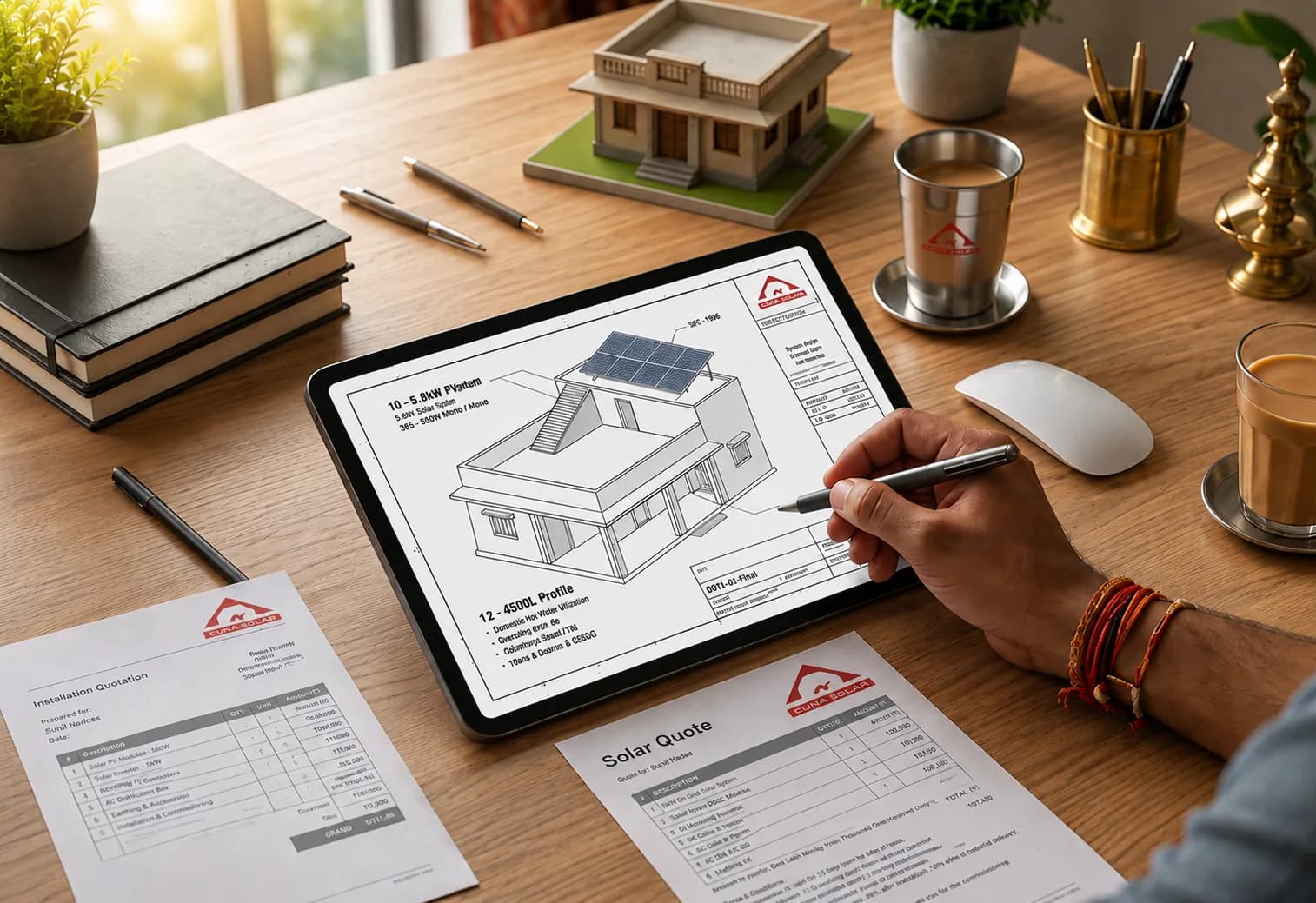
Do bigger solar systems actually work better?
Oversizing feels safe, but past a point every extra panel earns less. Here's how to size against your real consumption.

Still have a question we didn't answer?
Book a free site assessment — our engineers answer in person, on your roof.
Request a Call