7 Things That Might Become Red Flags In Your Solar Journey
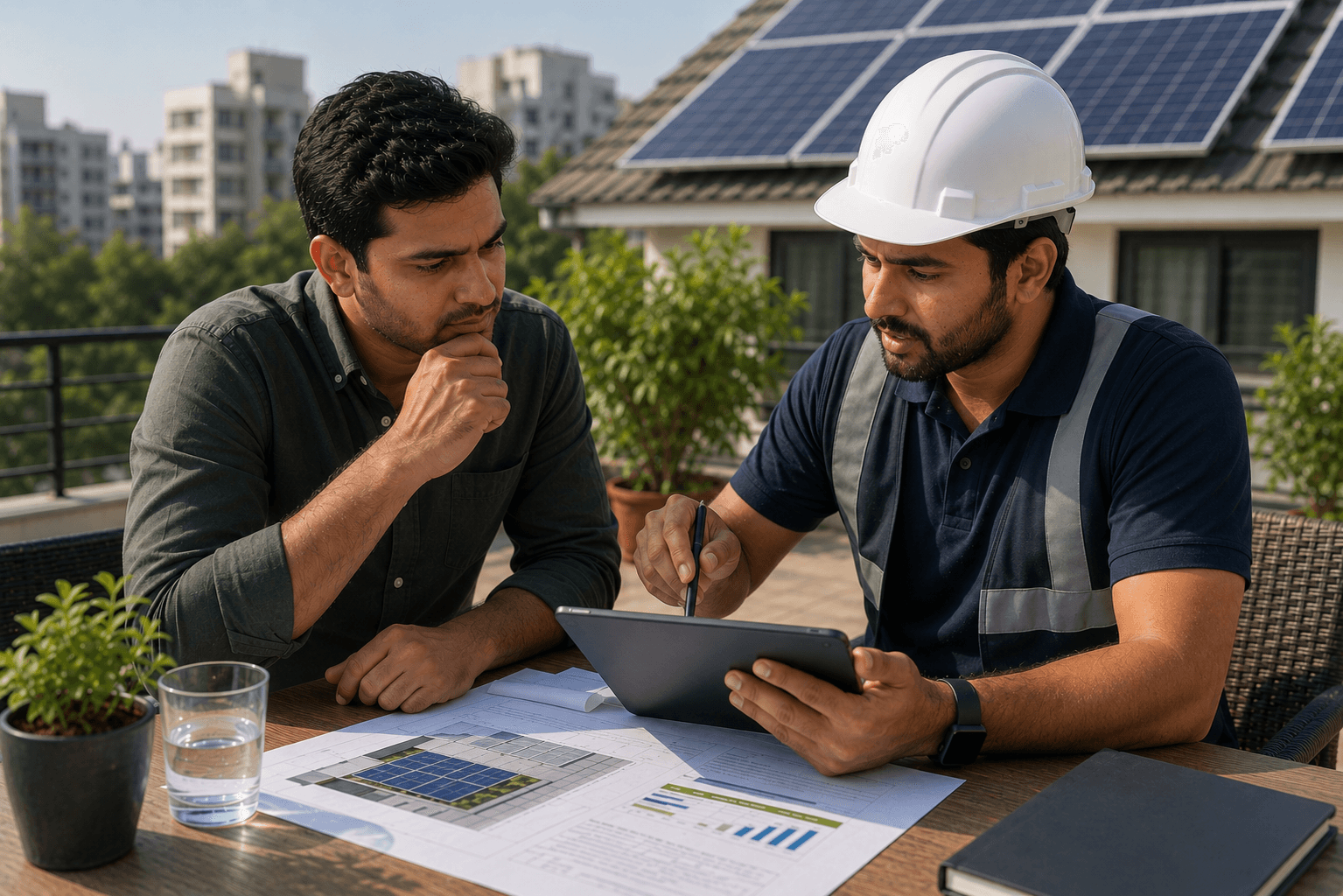
Rooftop solar has become one of the most popular home upgrades in India. With electricity costs rising and solar technology becoming more affordable, more homeowners are choosing to generate their own power and reduce their dependence on the grid. However, as demand for rooftop solar grows, so does the number of companies offering installations and the promises they make. While many are reliable and experienced, not all solar providers follow the same standards when it comes to design, installation, and after-sales support. Not every solar company deserves your roof. A wave of underqualified installers has followed, offering attractive quotes while skimping on equipment quality, system design, and long-term support. Seven red flags separate the trustworthy providers from the ones you should avoid. 1. Promises That Sound Too Good to Be True One of the most common sales pitches that homeowners hear is, “Your electricity bill will become zero immediately.” While solar can significantly reduce your electricity costs, actual savings depend on factors such as your energy consumption, rooftop solar system size, location, weather conditions, and utility regulations. Above this, the DISCOMs have fixed charges on electricity bills that pop up. A trustworthy installer will provide realistic generation estimates and explain the assumptions behind them instead of making blanket promises. Transparency from the installer is most important. 2. No Proper Site Assessment Every roof is different, which is why a one-size-fits-all approach rarely works when it comes to rooftop solar. Factors such as available roof area, shading from nearby buildings, trees, water tanks, or other structures can have a significant impact on how much electricity a system generates. Even the direction your roof faces and the angle at which the panels are installed can influence overall performance. The condition of the roof is equally important. An installer should assess whether the structure can safely support the solar system and identify any repairs or waterproofing work that may be required before installation. Electrical infrastructure, including the location of the metre, distribution board, and wiring routes, should also be evaluated as part of the planning process. If a company is willing to provide a final system design and quotation without visiting your property or conducting a detailed assessment, it may be overlooking important site-specific factors. This can lead to incorrect system sizing, lower-than-expected generation, installation challenges, or additional costs later on. A thorough site survey helps ensure that the system is tailored to your home's requirements, installed safely, and designed to deliver the expected savings and performance over its lifetime. It also gives homeowners an opportunity to understand the proposed layout, estimated generation, and any site constraints before making a decision. 3. Unusually Low Pricing Getting multiple quotations is always a good idea, but if one proposal is significantly cheaper than the others, it's important to understand what is included—and what might be missing. While competitive pricing is normal, an unusually low quote can sometimes indicate compromises in areas that are not immediately visible to homeowners. For example, the quality of mounting structures, cables, connectors, earthing systems, and surge protection devices can vary considerably. These components may not attract as much attention as solar panels or inverters, but they play a critical role in the safety, reliability, and longevity of the system. Similarly, installation practices such as proper cable management, waterproofing, and structural fastening can have a significant impact on long-term performance. In some cases, lower prices may also result from inadequate system design, limited after-sales support, or shorter warranty coverage. While these differences may not be obvious on the day of installation, they can lead to higher maintenance costs, reduced energy generation, or service challenges in the future. The rooftop solar system is expected to work for at least 2 decades. Choosing quality over pricing will get you the desired ROI in the shortest time possible. 4. Lack of Clarity on Equipment Many homeowners focus primarily on the overall system size and quoted price, assuming that all solar systems of the same capacity will perform similarly. However, the quality and specifications of the components used can have a significant impact on the system's performance, reliability, and lifespan. Before proceeding, it is important to understand exactly what equipment is being installed. Ask for details about: Solar panel brand and model Inverter brand and specifications Product warranties Performance warranties Different solar panels can vary in terms of efficiency, degradation rates, and long-term energy generation. Similarly, the inverter, which converts the electricity generated by the panels into usable power for your home is one of the most critical components of the system and plays a major role in overall performance. Warranty coverage is equally important. While product warranties typically cover manufacturing defects, performance warranties provide assurance that the panels will continue to generate electricity within specified limits over time. Understanding these differences can help homeowners make a more informed comparison between proposals. A transparent installer should be willing to share detailed specifications and explain why a particular combination of panels and inverters has been recommended. Knowing exactly what equipment is being installed makes it easier to compare quotations, assess long-term value, and make a confident investment decision. 5. Confusing Subsidy Information Government incentives have played an important role in making rooftop solar more accessible. However, subsidy eligibility and processes are governed by specific guidelines. Be cautious if you come across claims that guarantee subsidy approvals or promise benefits without clearly explaining the requirements. A reliable solar partner should be transparent about eligibility criteria, documentation requirements, timelines, and the latest government policies. We at Atria manage and handle all the processes from booking the system till installation. Everything is suggested and done by our experts with maximum efficiency and minimum trouble for you. Now the whole process will not take weeks, but within just a few days you can start generating for your rooftop solar. 6. Limited Information About After-Sales Support Installing the system is only the beginning of the solar journey. Homeowners may occasionally need assistance with monitoring, servicing, inspections, or warranty-related queries. Before choosing an installer, understand: What support is available after installation Service response timelines Warranty coverage Maintenance requirements Good after-sales support can make a significant difference to the overall ownership experience. 7. No Performance Monitoring Modern rooftop solar systems typically include monitoring tools that allow homeowners to track energy generation in real time. Without monitoring, it can be difficult to identify issues such as inverter faults, reduced generation, or system downtime. Performance monitoring provides visibility into how your system is performing and helps ensure you are getting the expected benefits from your investment. Through our app “Namma Atria”, everything is just a few clicks away. You can track and monitor each and every thing from your phone and schedule the maintenance calls, raise complaints or even clear any queries sitting at your home. Solar made easy for you! Making the Right Choice Rooftop solar is a long-term investment that can deliver savings, energy independence, and environmental benefits for many years. The key is choosing a solution that is designed and installed properly from the start. Before signing any agreement, take the time to compare proposals, understand the equipment being offered, ask questions about warranties and support, and work with an installer that values transparency. A little extra due diligence today can help ensure your solar system performs reliably for years to come. Solar is not a short game but a long journey. At Atria Renewables, we believe that informed homeowners make better solar decisions. That’s why we focus on transparent consultations, quality installations, and long-term support to help customers get the most from their rooftop solar systems installed.
Keep Reading
Related articles.
 Tips
TipsWhy Is Your Rooftop Solar System Losing Power?
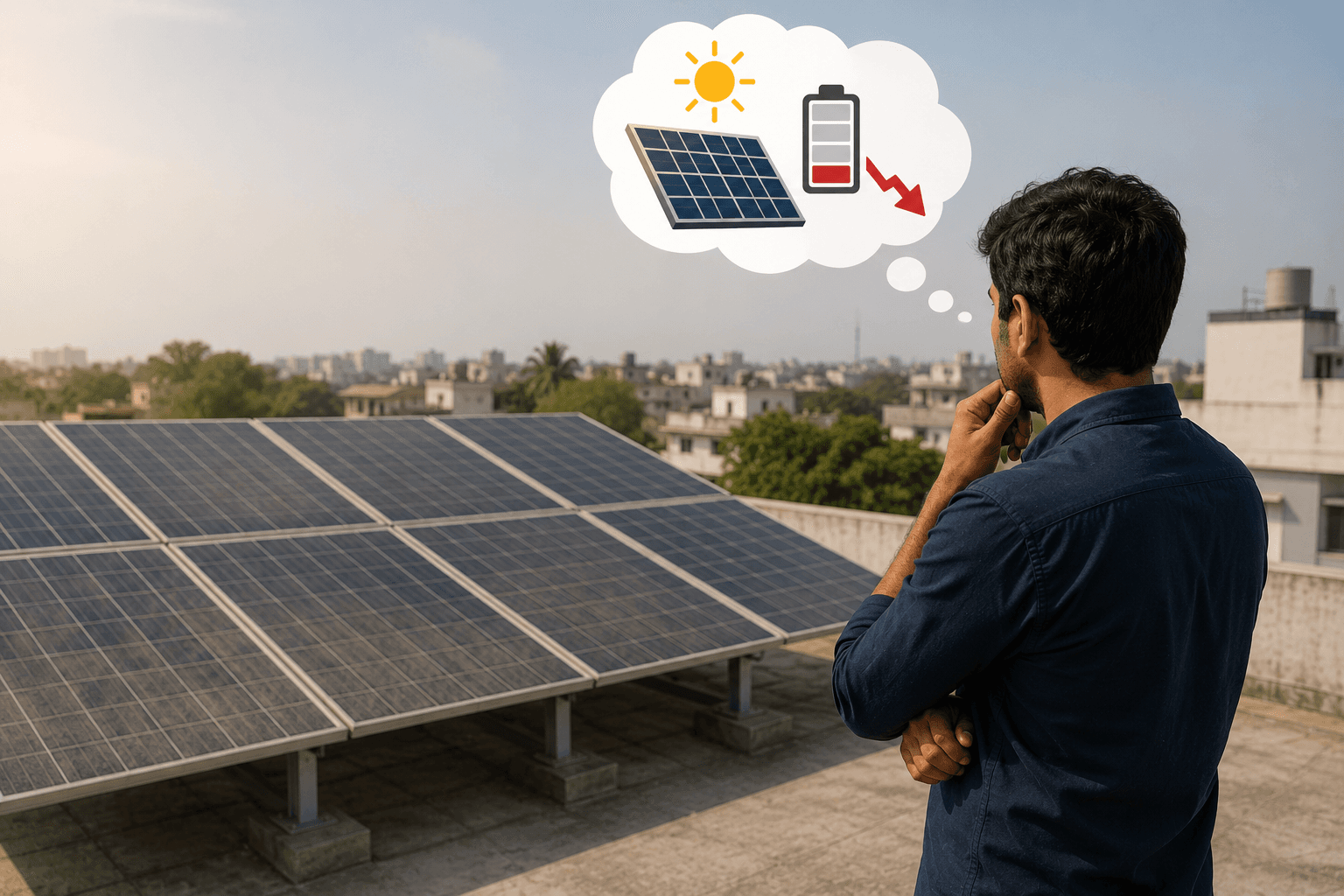
7 Common Causes of Generation Loss How to predict and prevent them from happening Factors that cause the generation loss
 Tips
TipsIs Your Home Ready for Rooftop Solar?
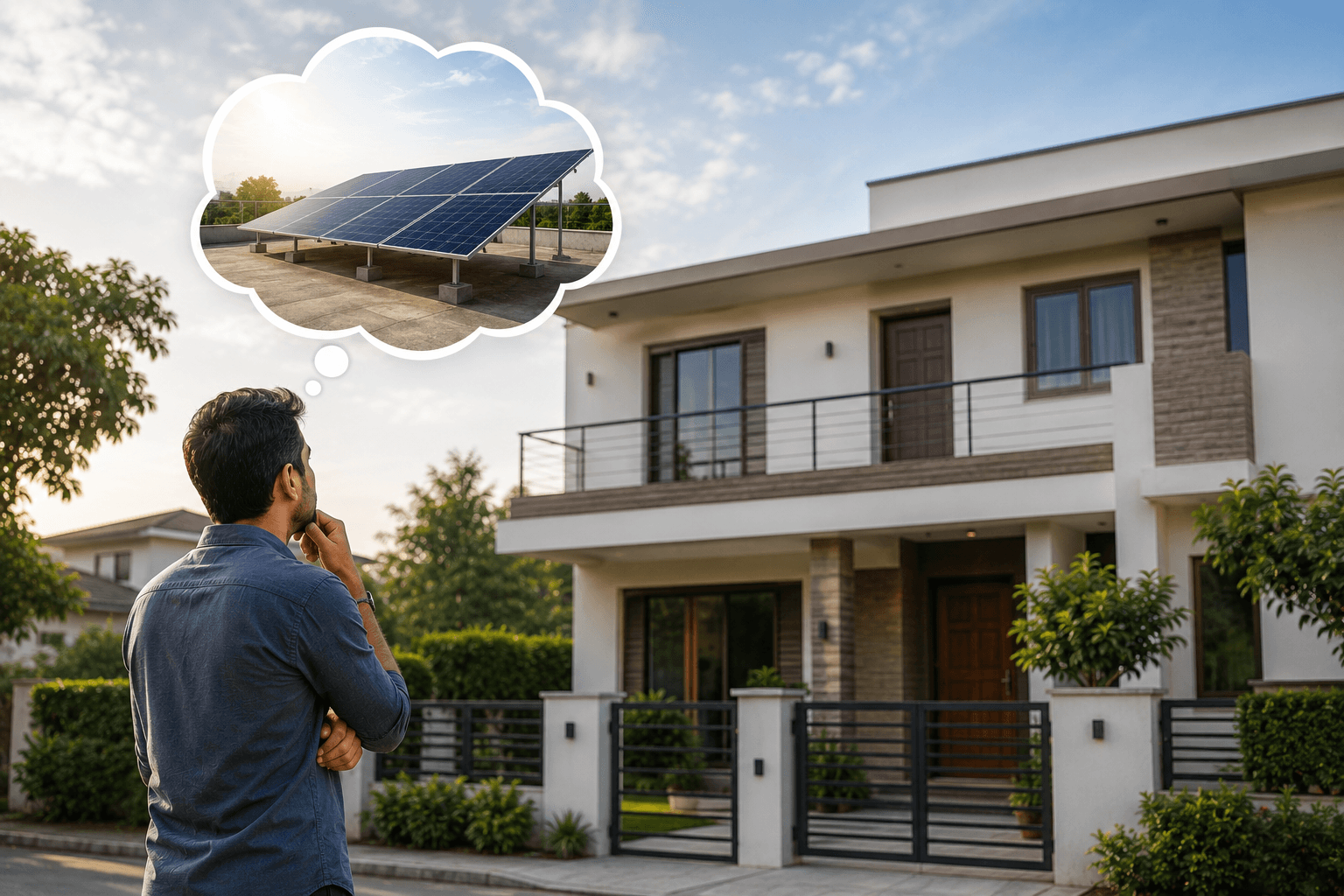
A Complete Checklist for Homeowners in Bengaluru Find the checklist to install rooftop solar in Bengaluru. Mandatory permissions and prerequisites.
 Tips
TipsDoes Rain Help or Hurt the Solar Panels?
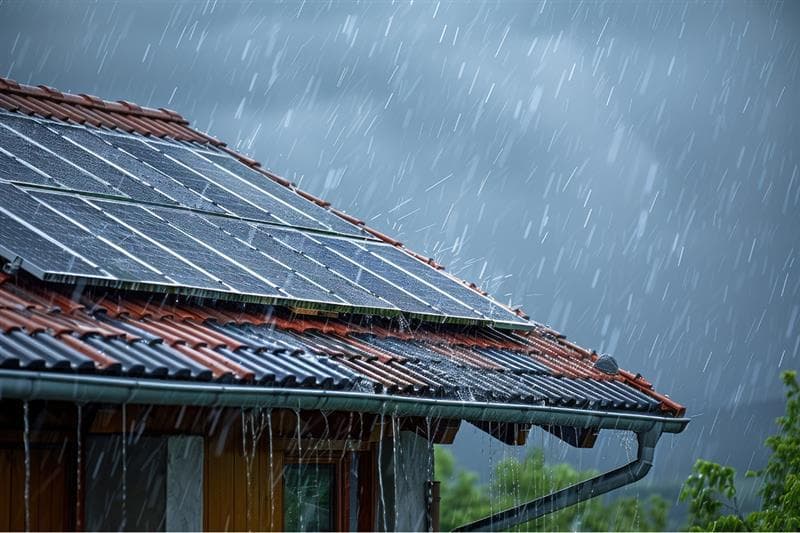
Effects of rain on rooftop solar panels. Cooler rainy weather can improve panel efficiency. Heavy clouds reduce sunlight and lower power generation. Rain cannot remove stubborn dirt and residue completely. Proper maintenance helps rooftop solar perform well during monsoons in Bangalore.

Still have a question we didn't answer?
Book a free site assessment — our engineers answer in person, on your roof.
Request a Call