

Commercial Rooftop Solar in Bengaluru: 5 Reasons It Pays Off
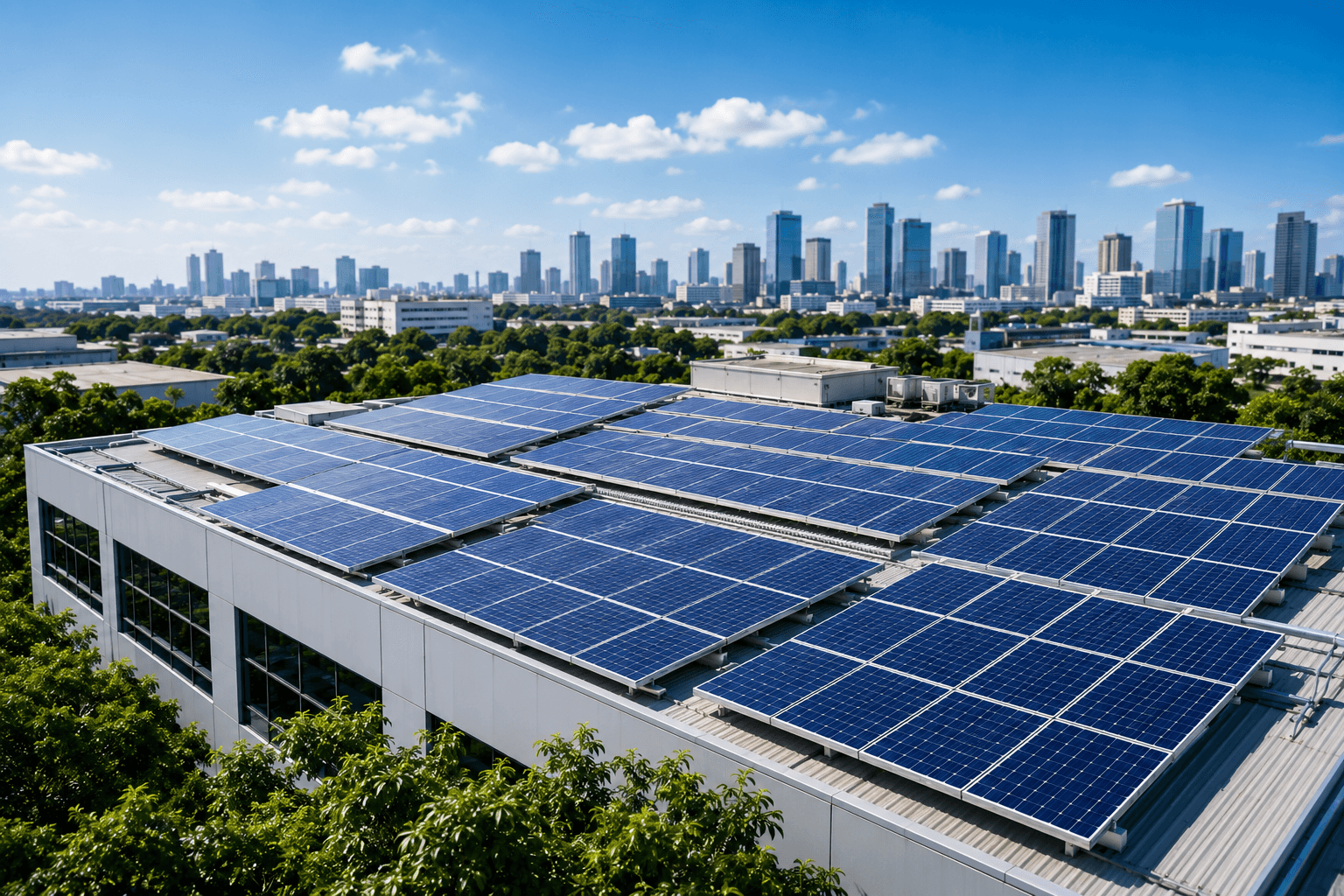
For businesses in Bengaluru, electricity is no longer just a utility it is a growing financial burden. Rising tariffs, unpredictable demand charges, and increasing operational costs have pushed energy management to the top of the agenda for warehouse owners, factory managers, hospital administrators, and everyone in between.
Rooftop solar has emerged as one of the most practical and financially rewarding solutions to this challenge. And unlike many infrastructure investments, the benefits are tangible, measurable, and long-lasting. Here is a closer look at why commercial properties in Bengaluru are increasingly turning to solar and why it makes compelling sense.
Commercial Properties Are Built for Solar
Before diving into the benefits, it is worth understanding why commercial buildings are particularly well-suited for solar adoption. Most commercial establishments factories, offices, retail outlets, hotels, hospitals, and educational institutions consume the bulk of their electricity during the day. This is precisely when rooftop solar panels generate the most power. Unlike residential buildings where occupants are often away during peak sunlight hours, businesses are fully operational and actively consuming energy when solar output is at its highest. This natural alignment between generation and consumption means more of the solar energy produced is used directly on-site, maximising savings and minimising waste.
Significant Reduction in Electricity Bills
The most immediate and visible benefit of rooftop solar is the reduction in monthly electricity bills. A well-designed system can offset a substantial portion of a business's grid consumption, translating to consistent savings month after month. For commercial properties, this benefit is amplified. Commercial electricity tariffs in Bengaluru are generally higher than residential rates, which means every unit of solar power generated saves more money than it would for a household. Over the 25-year lifespan of a solar system, these savings can amount to several times the initial investment making it one of the highest-returning infrastructure decisions a business can make.
Faster Return on Investment
Payback periods for commercial solar installations tend to be significantly shorter than residential ones, and for good reason. Higher daytime consumption means more solar energy is used directly rather than exported. Higher tariff rates mean each unit saved is worth more. And larger system sizes bring down the per-unit cost of installation. Depending on the size of the system and the property's consumption pattern, many businesses in Bengaluru recover their full investment within a few years and then continue to benefit from near-zero energy costs for decades. Few capital investments offer this kind of long-term, predictable return.
Protection Against Rising Electricity Costs
Electricity tariffs have risen steadily over the years, to be precise 4%-8% YoY, and there is little indication this trend will reverse. For businesses that rely heavily on grid power, each tariff revision directly erodes profit margins. Rooftop solar acts as a hedge against this uncertainty. By generating your own power, you effectively lock in a portion of your energy costs at today's rates insulating your business from future tariff hikes. This improves financial predictability and allows for more accurate long-term planning, which is particularly valuable for manufacturing units, hotels, and hospitals where energy costs form a significant share of operating expenses.
Better Use of Idle Roof Space
Large commercial buildings warehouses, factories, shopping complexes, institutional campuses often have vast rooftop areas that sit mostly unused. This space represents an untapped asset. Installing solar panels converts idle square footage into a productive, revenue-generating resource. Every square metre of roof that hosts a solar panel is actively contributing to lower operating costs. For property owners and business operators alike, this is an efficient and intelligent use of existing infrastructure with no additional land requirement.
Sustainability That Strengthens Your Brand
Beyond the financial case, solar also delivers a meaningful reputational advantage. Today's customers, investors, and business partners are increasingly conscious of environmental responsibility. A business that visibly invests in clean energy communicates a commitment to sustainability that resonates with modern stakeholders. For businesses in sectors like hospitality, healthcare, retail, and education where brand trust and public perception matter this is more than just optics. It is a genuine differentiator. Displaying your solar credentials in marketing materials, sustainability reports, or even on your premises signals that your organisation takes its environmental impact seriously. Additionally, reducing dependence on fossil-fuel-based grid electricity directly lowers your carbon footprint, contributing to cleaner air in Bengaluru and supporting India's broader renewable energy goals.
Rooftop solar is not a trend it is a proven, financially sound investment for commercial properties in Bengaluru. Lower electricity bills, faster ROI, protection from rising tariffs, smarter use of roof space, and enhanced brand credibility all point in the same direction.
If your business is spending significantly on electricity each month, the question is no longer whether solar makes sense. The question is how soon you can get started.
Keep Reading
Related articles.
 Solar
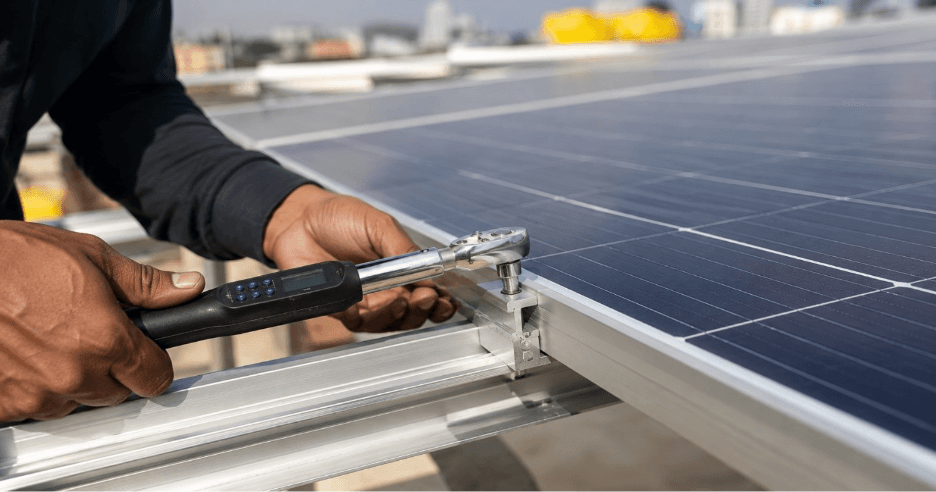
SolarThe Invisible Crack: What Every Solar EPC Company in India Should (But Doesn't) Tell You About Overtorquing
Generation loss — micro-cracks from over torqued clamps trigger localised hot spots that produce a permanent 8–15% drop in annual energy yield over 2–3 years.
 Solar
SolarHow to Choose from the Top 10 Solar Companies in Bangalore
Very few of Bangalore’s solar installers clear all six trust checks covered in this guide.
 Solar
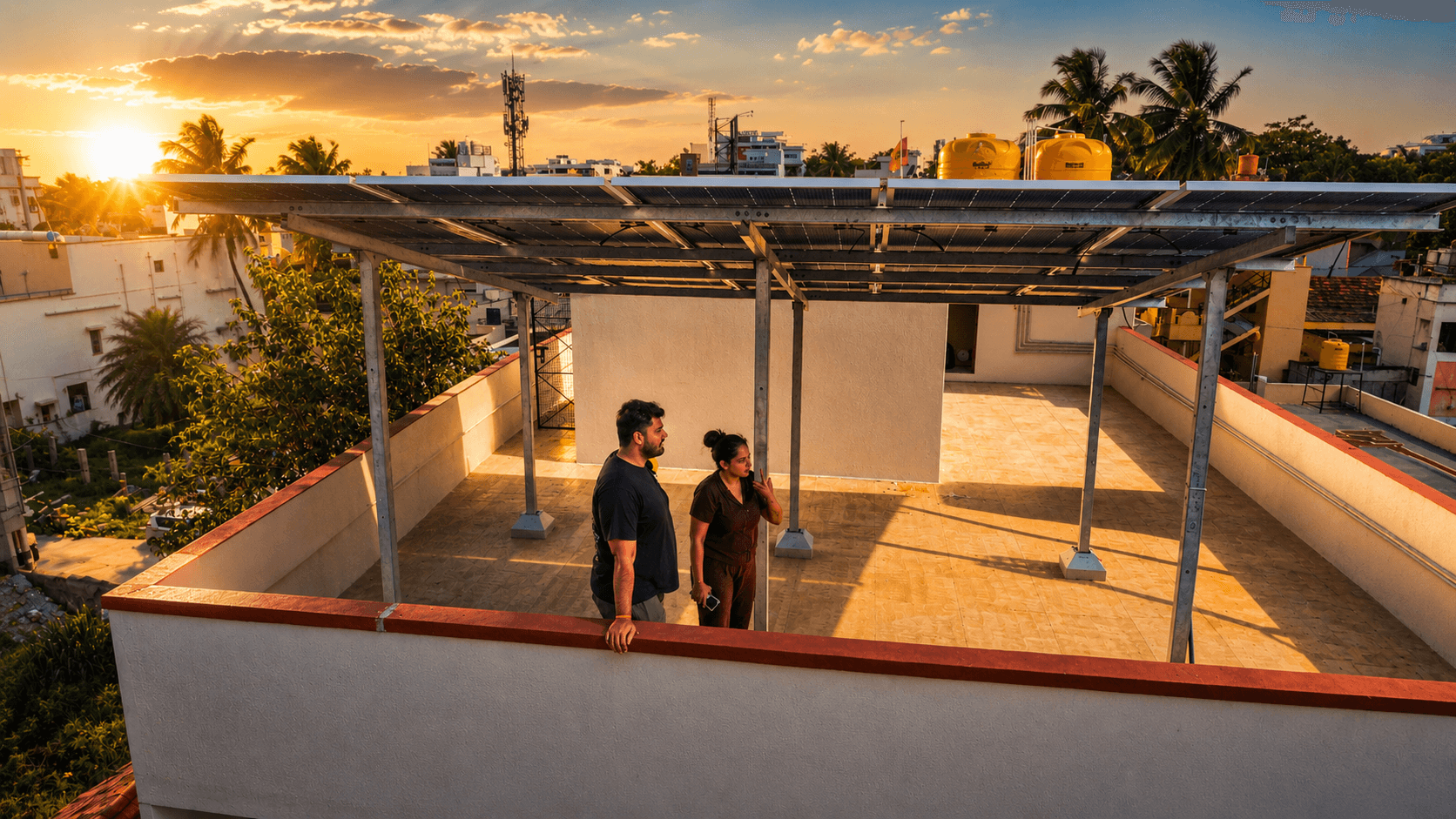
SolarSolar on Rooftop: A Bengaluru Homeowner's Overview
A real Bengaluru homeowner's roof-to-switch-on story, not a generic checklist

Still have a question we didn't answer?
Book a free site assessment — our engineers answer in person, on your roof.
Request a Call