

Do Rooftop Home Solar Prices Stay the Same?
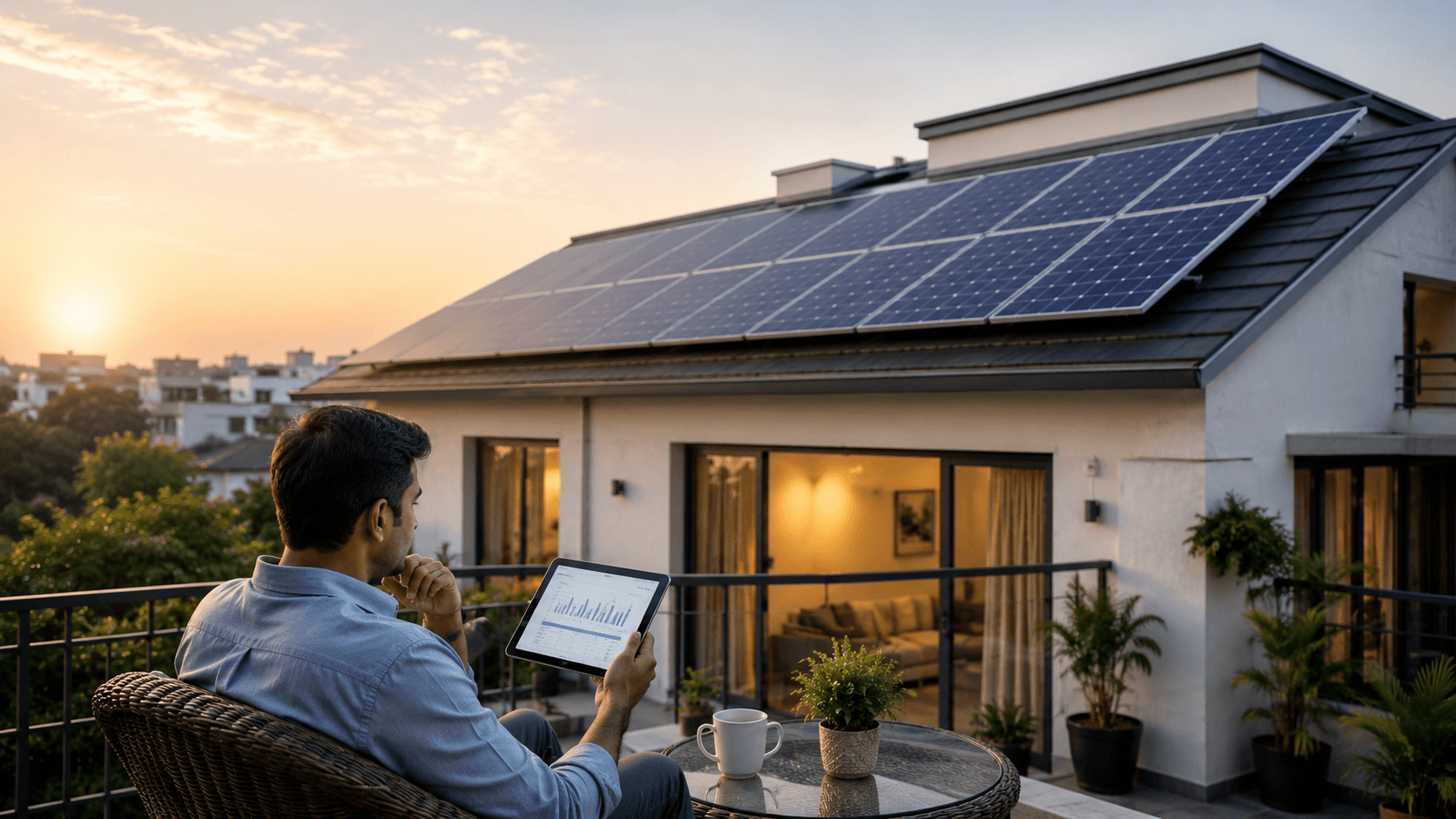
If you have been thinking about installing rooftop solar panels on your home, chances are you've wondered whether it's worth waiting for prices to come down further. It's a common question. After all, solar has become significantly more affordable over the past decade, and many homeowners hear reports about solar panel prices rising or falling every few months.
The reality is that solar prices do change, but not always in the way most people expect. Understanding what drives these changes can help you make a more informed decision about when to invest in solar for your home.
Do Solar Panel Prices Change Frequently?
Yes, solar equipment prices can change throughout the year. However, not every component of a rooftop solar system experiences the same level of fluctuation. Solar panels tend to see the most frequent price changes, while inverters, mounting structures, wiring, and installation costs are generally more stable. Manufacturers and suppliers regularly adjust prices based on market conditions, which means the cost of a solar system today may be slightly different a few months from now.
That said, dramatic changes in residential solar pricing are relatively uncommon. Most fluctuations happen gradually unless there is a major shift in the market.
Why Do Solar Panel Prices Go Up and Down?
Solar panels are manufactured using materials such as polysilicon, glass, aluminium, silver, and copper. The prices of these materials can change depending on global demand and supply conditions. When raw material costs increase, manufacturers may raise panel prices. When production expands and supply becomes abundant, prices often move in the opposite direction.
Because the solar industry operates on a global scale, events in one part of the world can influence solar prices in India. Changes in manufacturing output, shipping costs, or international demand can all affect the final price homeowners see.
The Impact of Government Policies
Government policies also play an important role in determining solar costs. Import duties, tax changes, manufacturing incentives, and renewable energy policies can influence the pricing of solar equipment in the Indian market.
While these policy changes may occasionally increase or decrease costs, they are generally introduced to support long-term growth in the renewable energy sector and encourage wider adoption of clean energy technologies.
For homeowners, these changes are usually reflected in the quotations provided by solar installation companies.
Why Solar Prices Have Become More Affordable Over Time
Although short-term fluctuations are common, the long-term trend for solar has been remarkable.
Advancements in manufacturing technology, increased production capacity, and growing global demand have helped make solar energy far more affordable than it was a decade ago. Today's solar panels are not only less expensive than earlier generations but are also more efficient. This means homeowners can generate more electricity from the same rooftop area, improving the overall value of the investment. As technology continues to evolve, solar systems are becoming increasingly accessible to households across India.
Should You Wait for Prices to Drop Further?
Many homeowners postpone installing solar because they expect prices to fall in the future. While this approach may seem logical, it is important to consider the bigger picture. Every month you delay installing solar is another month of paying your regular electricity bill. Depending on your consumption, those costs can add up quickly over time.
Even if solar equipment becomes slightly cheaper later, the savings you miss out on during the waiting period may outweigh the benefit of a lower installation cost. Rather than focusing solely on future price movements, it is often helpful to evaluate how much you could save by generating your own electricity starting today.
Do Small Price Changes Make a Big Difference?
Not always. A residential rooftop solar system consists of several components, including panels, inverters, mounting structures, electrical equipment, and installation services. Because of this, a small change in panel prices does not necessarily translate into a major difference in the overall system cost.
For homeowners, factors such as system quality, performance, warranty coverage, and installer expertise are often more important than short-term fluctuations in equipment pricing. A reliable system that performs efficiently for 25 years can provide significantly greater value than a small reduction in upfront cost.
What Homeowners Should Consider Before Installing Solar
Instead of trying to predict future price movements, homeowners should focus on factors that directly impact long-term savings. Start by understanding your monthly electricity consumption and evaluating how much roof space is available for solar panels. It is also important to choose high-quality equipment and work with a trusted installation partner.
Pay attention to system warranties, after-sales support, and expected energy generation. These factors can have a much greater impact on your experience than minor changes in market prices. With Atria’s transparency everything is available in your hands. From site survey to system commissioning everything is tracked, documented and managed by our experts. Book your survey now!
A solar installation is a long-term investment, and selecting the right system is often more important than finding the lowest possible price.
Solar panel prices in India do change from time to time, influenced by raw material costs, global supply chains, manufacturing trends, and government policies. However, for most homeowners, the difference in price over a few months is often less significant than the long-term savings solar can deliver. A rooftop solar system can help reduce electricity bills, provide greater energy independence, and generate clean energy for decades.
Instead of trying to find the perfect moment to buy, focus on choosing a quality system that meets your household's needs. In many cases, the best time to start saving on electricity is simply when you are ready to make the switch. With the support from government of India, in terms of subsidy there is no best time to switch to rooftop home solar than now.
Keep Reading
Related articles.
 Solar
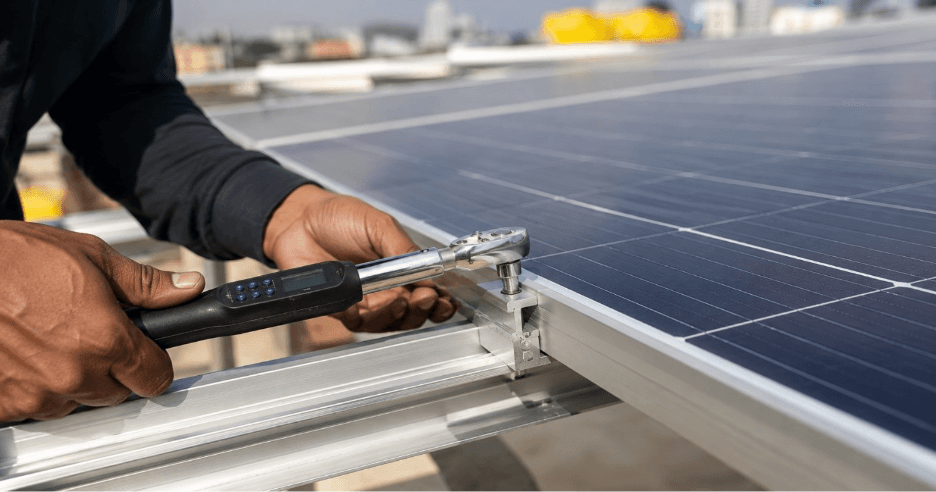
SolarThe Invisible Crack: What Every Solar EPC Company in India Should (But Doesn't) Tell You About Overtorquing
Generation loss — micro-cracks from over torqued clamps trigger localised hot spots that produce a permanent 8–15% drop in annual energy yield over 2–3 years.
 Solar
SolarHow to Choose from the Top 10 Solar Companies in Bangalore
Very few of Bangalore’s solar installers clear all six trust checks covered in this guide.
 Solar
SolarSolar on Rooftop: A Bengaluru Homeowner's Overview
A real Bengaluru homeowner's roof-to-switch-on story, not a generic checklist

Still have a question we didn't answer?
Book a free site assessment — our engineers answer in person, on your roof.
Request a Call